4

min read

Dark Mode vs. Light Mode: Which One Works Best for Your Website?

Categories:

Website Design

Digital Products

Motion & Content

An article by

Tobias Nguyen

Tobias Nguyen

Lead Developer

three gray kingfisher birds

The debate between dark mode and light mode has become a significant consideration in web design. As technology evolves, users now expect customization options for their browsing experience, and offering both dark and light modes can enhance usability, accessibility, and aesthetic appeal. But which one is best for your website?

In this article, we’ll explore the pros and cons of both dark and light mode, how they impact user experience (UX), and when to use each to create an optimal website design.
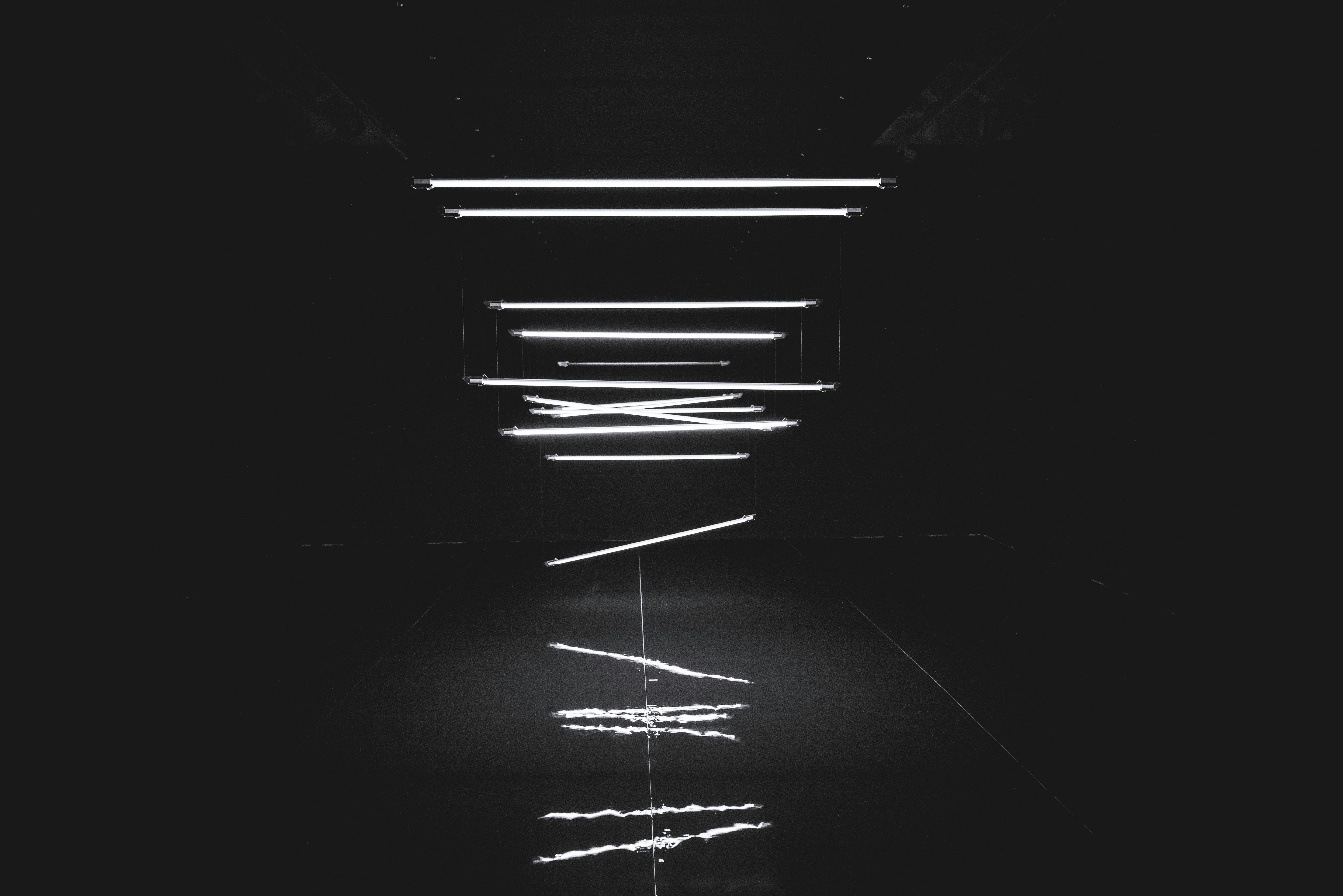
A unique shot of tube lights falling from the ceiling in a dark room.

1. Understanding Dark Mode and Light Mode

What is Dark Mode?

Dark mode is a UI design setting that features light-colored text and elements on a dark background. It’s commonly used in apps, operating systems, and websites to reduce screen glare and improve readability in low-light environments.

Popular examples of dark mode:

  • Twitter, YouTube, and Instagram offer dark mode as an option.

  • Apple and Android provide system-wide dark mode settings.

  • Developers favor dark mode for coding interfaces like Visual Studio Code.

What is Light Mode?

Light mode is the traditional UI setting, featuring dark text on a bright or white background. This has been the default mode for websites and applications for decades.

Popular examples of light mode:

  • Most corporate websites, e-commerce platforms, and blogs use light mode by default.

  • Google’s search engine and Wikipedia rely on high-contrast light themes.

  • News websites typically prefer light mode for readability.

2. The Pros & Cons of Dark Mode

Advantages of Dark Mode

Reduces Eye Strain: Dark backgrounds reduce glare, making it easier on the eyes, especially in dim environments.

Energy Efficiency: On OLED and AMOLED screens, dark mode can save battery life by reducing power consumption.

Aesthetic Appeal: Dark mode provides a sleek, modern look that enhances visuals, especially for creative websites.

Improved Focus: Darker themes can reduce distractions, helping users concentrate on content or tasks.

Disadvantages of Dark Mode

Not Ideal for Bright Environments: In well-lit conditions, dark mode can make text harder to read.

Lower Readability for Long-Form Content: Dark backgrounds may strain the eyes for reading large amounts of text.

Inconsistent Implementation: Some UI elements might not be properly optimized, leading to accessibility issues.

3. The Pros & Cons of Light Mode

Advantages of Light Mode

Better Readability for Text-Heavy Content: Light backgrounds with dark text improve readability, making it ideal for blogs, news sites, and documents.

Higher Contrast in Bright Environments: Works well in natural daylight or well-lit offices, reducing the need to strain eyes.

More Universally Accepted: Most users are accustomed to light mode, making it the default and more familiar choice.

Easier UI Consistency: UI elements and colors are easier to implement and contrast against a light background.

Disadvantages of Light Mode

Higher Eye Strain in Low-Light Conditions: Bright backgrounds can cause glare, especially in dark environments.

Less Aesthetic for Certain Visuals: Light mode may not highlight images, artwork, or UI elements as well as dark mode does.

Can Cause Fatigue in Prolonged Use: Staring at a bright screen for extended periods can contribute to digital eye strain.

4. When to Use Dark Mode vs. Light Mode

Choosing between dark mode and light mode depends on several factors, including your audience, industry, and the type of content you offer.

A. Choose Dark Mode If:

  • Your website features media-heavy content (photography, artwork, or video streaming).

  • Your users often browse in low-light environments (e.g., gaming, coding, or entertainment platforms).

  • You want to provide a premium, sleek, and modern aesthetic for your brand.

  • Your website runs on OLED displays where energy efficiency matters.

B. Choose Light Mode If:

  • Your website focuses on long-form reading (blogs, news, educational content).

  • You cater to a broad audience, including older users who may struggle with low-contrast text.

  • Your website is corporate, business-focused, or highly professional.

  • Your users mainly browse in well-lit environments where light mode offers better contrast.

C. Offer Both Modes (Best of Both Worlds)

Many modern websites now provide a toggle switch to let users switch between light and dark mode. This customization ensures a better user experience (UX) tailored to individual preferences.

Implementation Example:

  • System-based theme detection: The website automatically adjusts based on the user’s device settings.

  • Manual toggle switch: Users can choose their preferred mode using a UI switch in the navigation or settings.

5. How to Design for Both Modes

If you decide to offer both dark and light modes, you’ll need to optimize the UI and contrast to ensure a seamless experience.

Best Practices for Dual-Mode Design:

Maintain Readability: Ensure proper contrast between text and background colors in both modes.

Optimize Images & Graphics: Some images may need inverted colors or transparent backgrounds to work in both modes.

Use Adaptive Color Schemes: Select colors that complement both themes for buttons, text, and UI elements.

Test for Accessibility: Use tools like WCAG contrast checkers to ensure legibility and compliance with accessibility standards.

6. Examples of Websites Using Dark & Light Modes

Many leading websites and apps have successfully implemented dark and light mode options:

  • Google Chrome: Offers system-based dark mode detection.

  • YouTube: Provides an in-app toggle switch for users.

  • Twitter: Allows users to switch between standard, dark, and dim modes.

  • Apple & Android: System-wide dark mode settings that apply to supported apps.

  • Medium (Blogging Platform): Offers an automatic dark mode for better reading comfort at night.

7. Conclusion

The decision between dark mode and light mode ultimately depends on your audience, content, and branding. For readability and accessibility, light mode is often preferred, while dark mode is ideal for aesthetics and energy efficiency.

If possible, offering both options ensures the best user experience and flexibility, allowing visitors to choose what suits them best.

Final Takeaways:

Choose dark mode for media-heavy, modern, or immersive experiences.

Choose light mode for text-based, corporate, or broad-audience websites.

Offer both for maximum user personalization and accessibility.

Now it’s your turn—what mode will you choose for your website?

OTHER ARTICLES

Ideas that move brands

Practical perspectives on shaping thoughtful strategy and elevating distinctive brand identity.

snow covered mountain under blue sky during daytime

Mar 1, 2026

The Power of Minimalism: Why Less is More in Design

Minimalism is more than just an aesthetic choice—it’s a philosophy that emphasizes clarity, functionality, and purpose. In design, minimalism strips away unnecessary elements, allowing the core message and usability to shine. This approach has been embraced across various fields, from graphic and web design to architecture and branding. But why does "less is more" continue to be such a powerful principle in design? Let's explore the impact and benefits of minimalism in the modern digital landscape.

snow covered mountain under blue sky during daytime

Mar 1, 2026

The Power of Minimalism: Why Less is More in Design

Minimalism is more than just an aesthetic choice—it’s a philosophy that emphasizes clarity, functionality, and purpose. In design, minimalism strips away unnecessary elements, allowing the core message and usability to shine. This approach has been embraced across various fields, from graphic and web design to architecture and branding. But why does "less is more" continue to be such a powerful principle in design? Let's explore the impact and benefits of minimalism in the modern digital landscape.

white round plastic toy on blue surface

Feb 8, 2026

Why Investing in Good Design Pays Off for Your Business

Design is more than just aesthetics—it’s a strategic tool that influences brand perception, customer trust, and business growth. Companies that invest in high-quality design gain a competitive advantage by improving user experience, strengthening brand identity, and driving conversions.

In this article, we’ll explore why good design is a powerful investment and how it directly impacts your business success.

white round plastic toy on blue surface

Feb 8, 2026

Why Investing in Good Design Pays Off for Your Business

Design is more than just aesthetics—it’s a strategic tool that influences brand perception, customer trust, and business growth. Companies that invest in high-quality design gain a competitive advantage by improving user experience, strengthening brand identity, and driving conversions.

In this article, we’ll explore why good design is a powerful investment and how it directly impacts your business success.

two black birds on electric wires under gray sky during daytime

Jan 21, 2026

The Future of Web Design: Trends You Can’t Ignore

Web design is constantly evolving, driven by technological advancements, user expectations, and new creative possibilities. Staying ahead of trends is essential for designers, developers, and brands that want to maintain a competitive edge in the digital landscape. As we move into the future, several key trends are shaping the way websites are designed and experienced. In this article, we’ll explore the most impactful web design trends that you can’t afford to ignore.

two black birds on electric wires under gray sky during daytime

Jan 21, 2026

The Future of Web Design: Trends You Can’t Ignore

Web design is constantly evolving, driven by technological advancements, user expectations, and new creative possibilities. Staying ahead of trends is essential for designers, developers, and brands that want to maintain a competitive edge in the digital landscape. As we move into the future, several key trends are shaping the way websites are designed and experienced. In this article, we’ll explore the most impactful web design trends that you can’t afford to ignore.

green leaf photography

Dec 10, 2026

My Web Design Process: From Concept to Completion

Designing a website is more than just creating a visually appealing layout—it’s about crafting an intuitive, functional, and engaging digital experience. A well-structured web design process ensures that every element aligns with the client’s goals, user needs, and industry best practices.

In this guide, I’ll walk you through my step-by-step web design process, from concept to completion, to ensure a seamless and efficient workflow for delivering high-quality websites.

green leaf photography

Dec 10, 2026

My Web Design Process: From Concept to Completion

Designing a website is more than just creating a visually appealing layout—it’s about crafting an intuitive, functional, and engaging digital experience. A well-structured web design process ensures that every element aligns with the client’s goals, user needs, and industry best practices.

In this guide, I’ll walk you through my step-by-step web design process, from concept to completion, to ensure a seamless and efficient workflow for delivering high-quality websites.

snow covered mountain under blue sky during daytime

Mar 1, 2026

The Power of Minimalism: Why Less is More in Design

Minimalism is more than just an aesthetic choice—it’s a philosophy that emphasizes clarity, functionality, and purpose. In design, minimalism strips away unnecessary elements, allowing the core message and usability to shine. This approach has been embraced across various fields, from graphic and web design to architecture and branding. But why does "less is more" continue to be such a powerful principle in design? Let's explore the impact and benefits of minimalism in the modern digital landscape.

white round plastic toy on blue surface

Feb 8, 2026

Why Investing in Good Design Pays Off for Your Business

Design is more than just aesthetics—it’s a strategic tool that influences brand perception, customer trust, and business growth. Companies that invest in high-quality design gain a competitive advantage by improving user experience, strengthening brand identity, and driving conversions.

In this article, we’ll explore why good design is a powerful investment and how it directly impacts your business success.

two black birds on electric wires under gray sky during daytime

Jan 21, 2026

The Future of Web Design: Trends You Can’t Ignore

Web design is constantly evolving, driven by technological advancements, user expectations, and new creative possibilities. Staying ahead of trends is essential for designers, developers, and brands that want to maintain a competitive edge in the digital landscape. As we move into the future, several key trends are shaping the way websites are designed and experienced. In this article, we’ll explore the most impactful web design trends that you can’t afford to ignore.

green leaf photography

Dec 10, 2026

My Web Design Process: From Concept to Completion

Designing a website is more than just creating a visually appealing layout—it’s about crafting an intuitive, functional, and engaging digital experience. A well-structured web design process ensures that every element aligns with the client’s goals, user needs, and industry best practices.

In this guide, I’ll walk you through my step-by-step web design process, from concept to completion, to ensure a seamless and efficient workflow for delivering high-quality websites.

Good ideas deserve deeper exploration.

Fresh ideas published regularly

Good ideas deserve deeper exploration.

Fresh ideas published regularly

NEWSLETTER

Signals worth paying attention

A curated digest of practical thinking and real-world brand perspectives monthly.

No spam. Unsubscribe anytime.

NEWSLETTER

Signals worth paying attention

A curated digest of practical thinking and real-world brand perspectives monthly.

No spam. Unsubscribe anytime.

NEWSLETTER

Signals worth paying attention

A curated digest of practical thinking and real-world brand perspectives monthly.

No spam. Unsubscribe anytime.

Create a free website with Framer, the website builder loved by startups, designers and agencies.